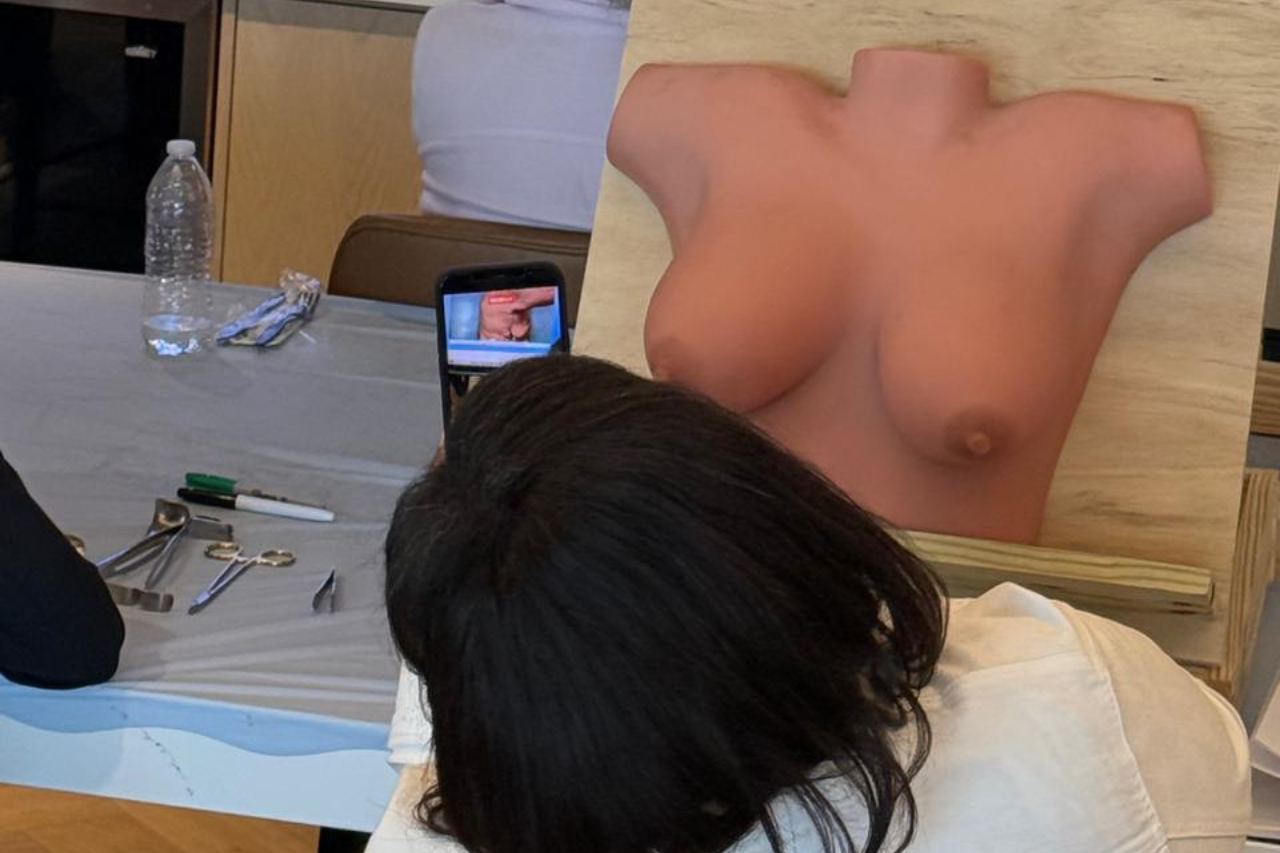
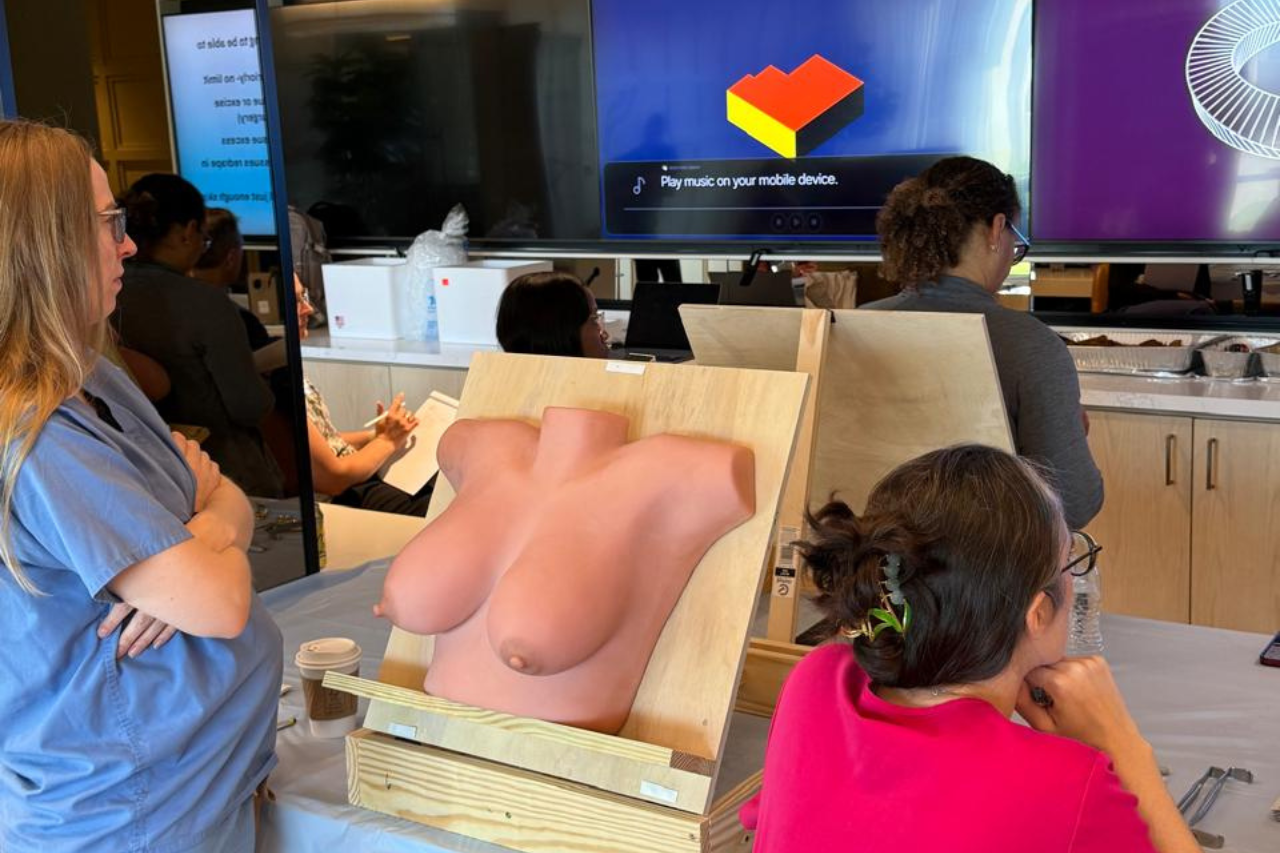
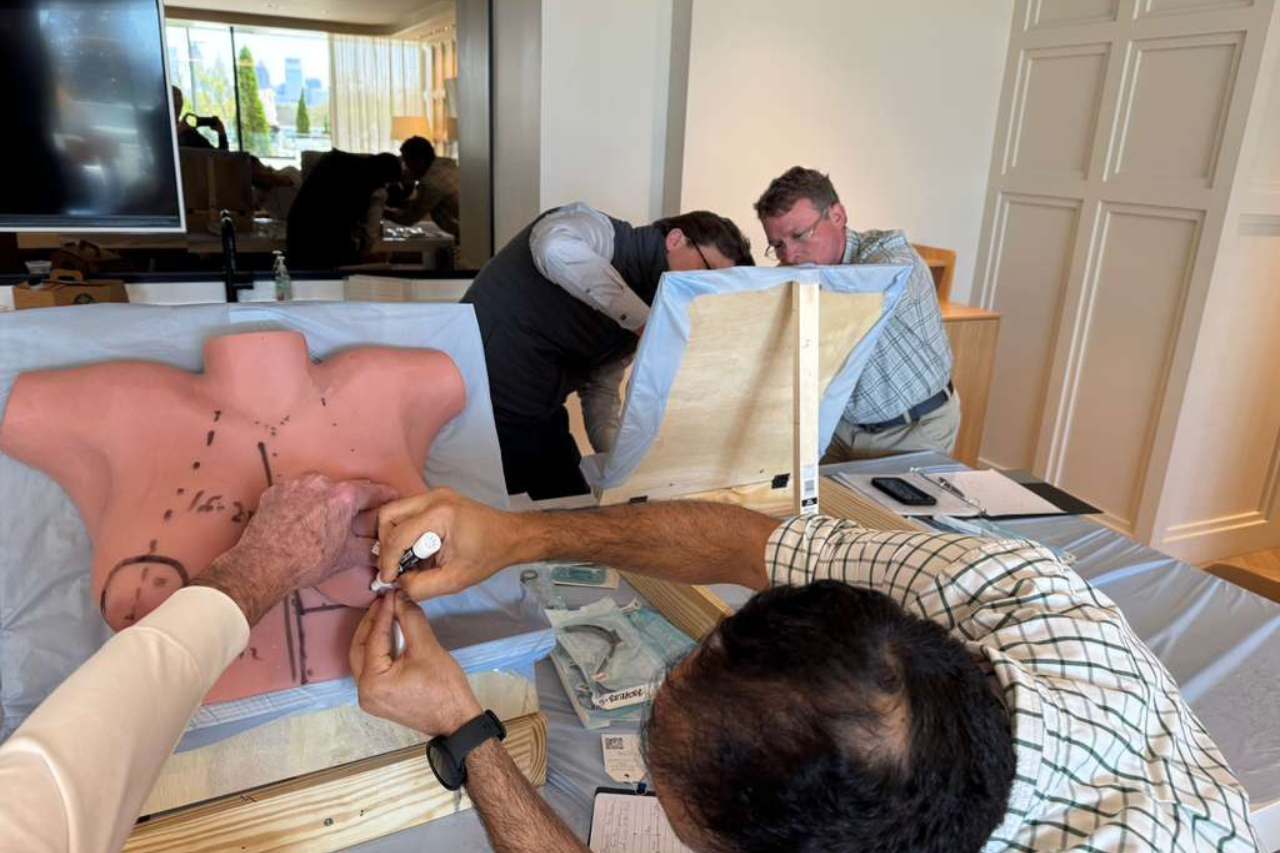
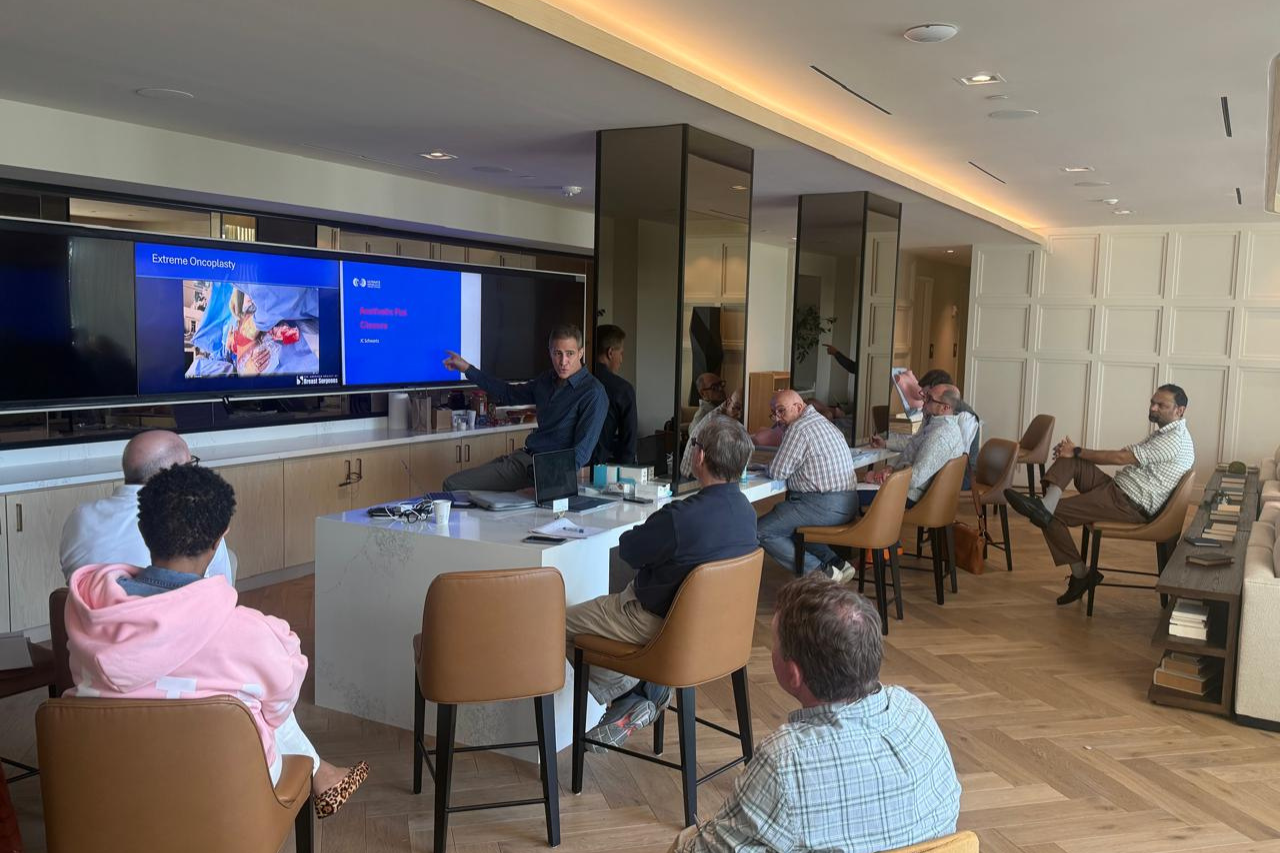
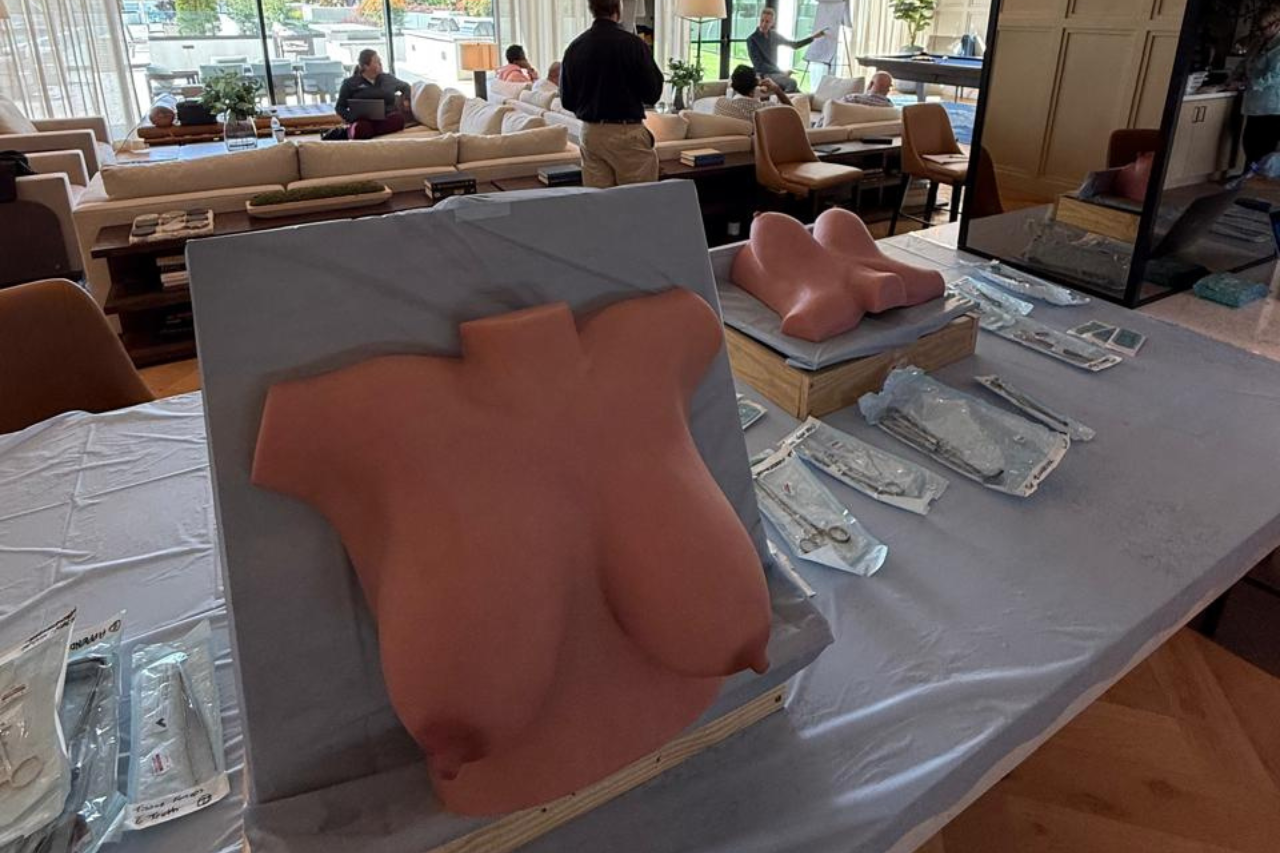
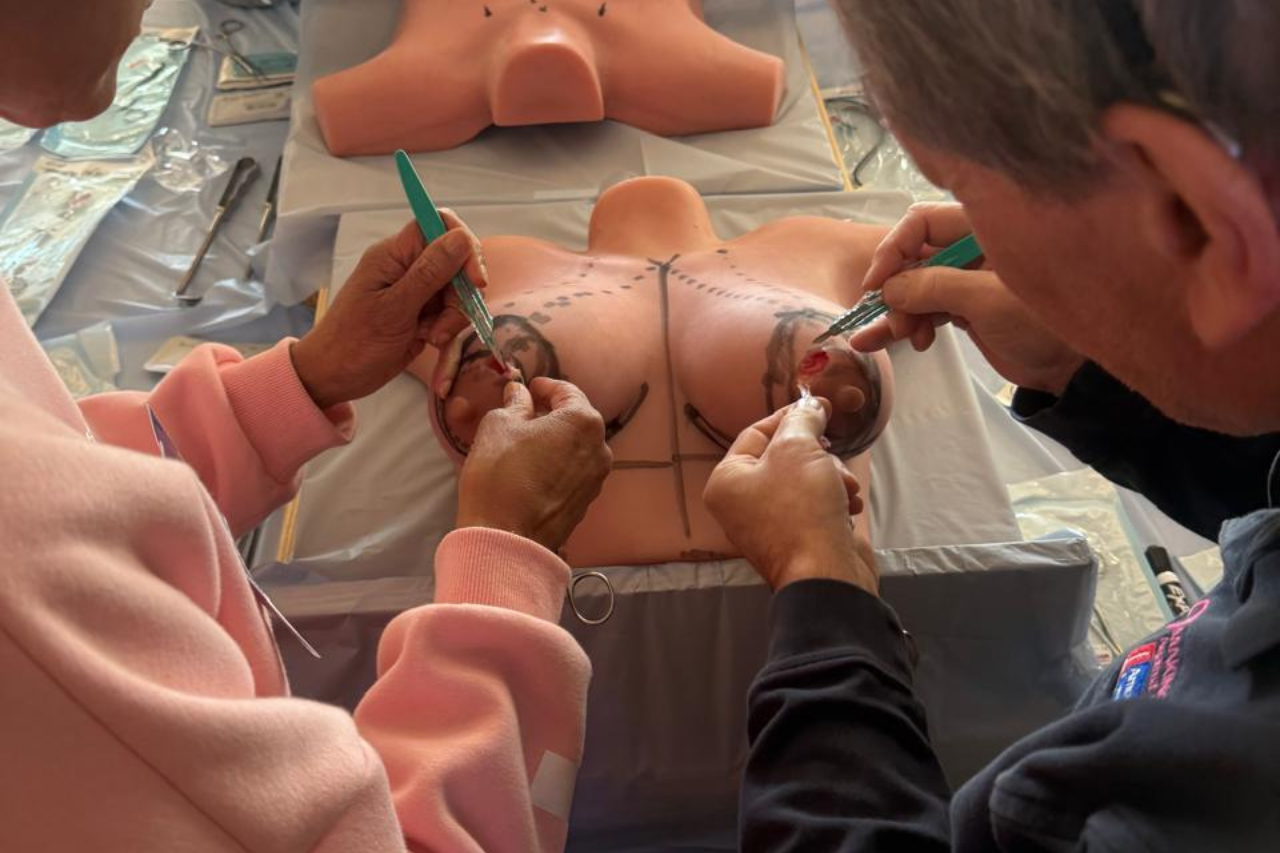
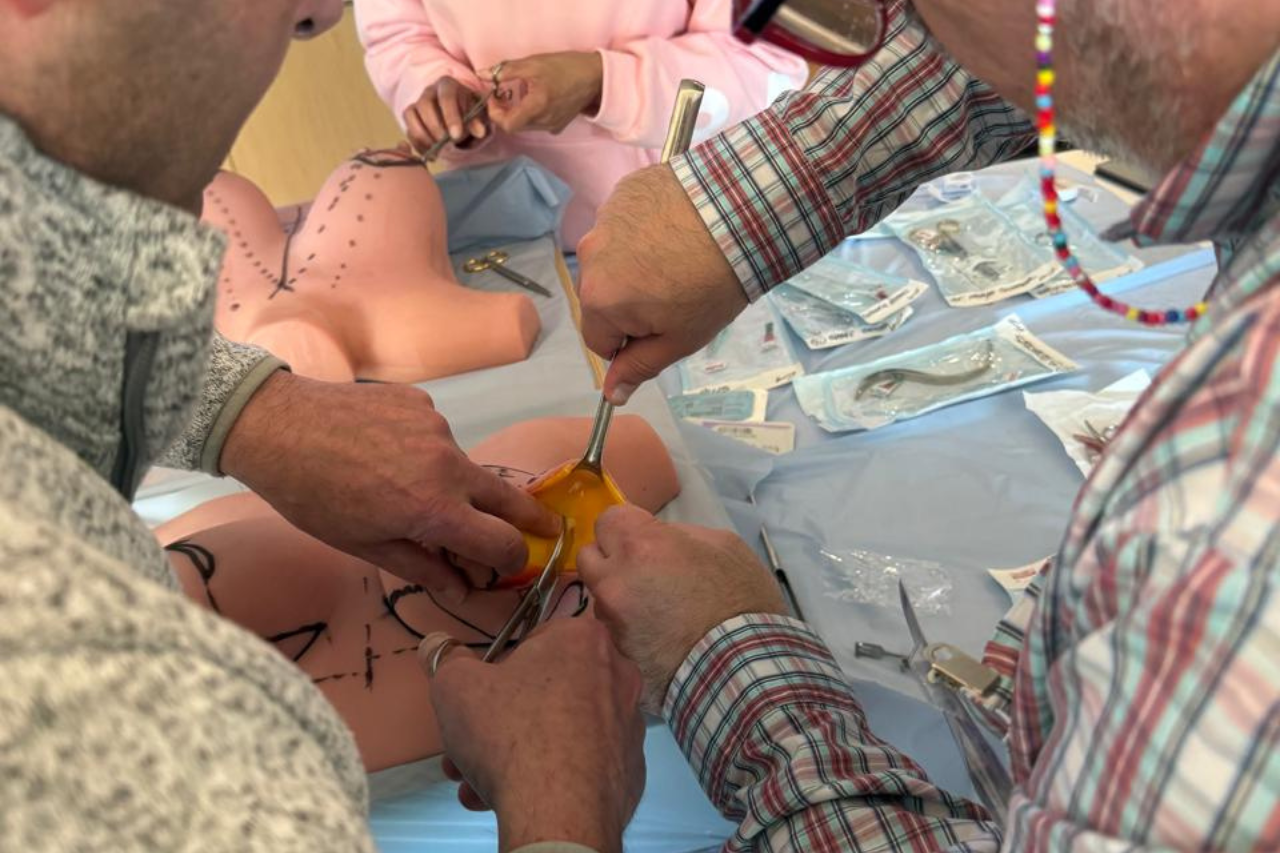
An advanced simulation platform for mastering oncoplastic breast surgery.
Develop technical skills, improve surgical confidence, and master advanced oncoplastic techniques through structured, hands-on simulation.
Why Mastotrainer™?
O Mastotrainer™ was created to bridge the gap between theory and the operating room.
Designed by Gustavo Zucca, MD, PhD, it allows breast surgeons to repeatedly practice complex oncoplastic techniques in a realistic simulation environment before applying them in clinical practice.
Unlike traditional educational models, Mastotrainer™ emphasizes repetition, technical refinement, and confidence-building through structured simulation.
Evidence-Based Learning
Practice advanced techniques before entering the operating room.
Realistic Simulation
Designed to replicate clinical scenarios encountered in breast surgery.
Technical Confidence
Develop precision through repetition and structured feedback.
1,000+
Surgeons Trained
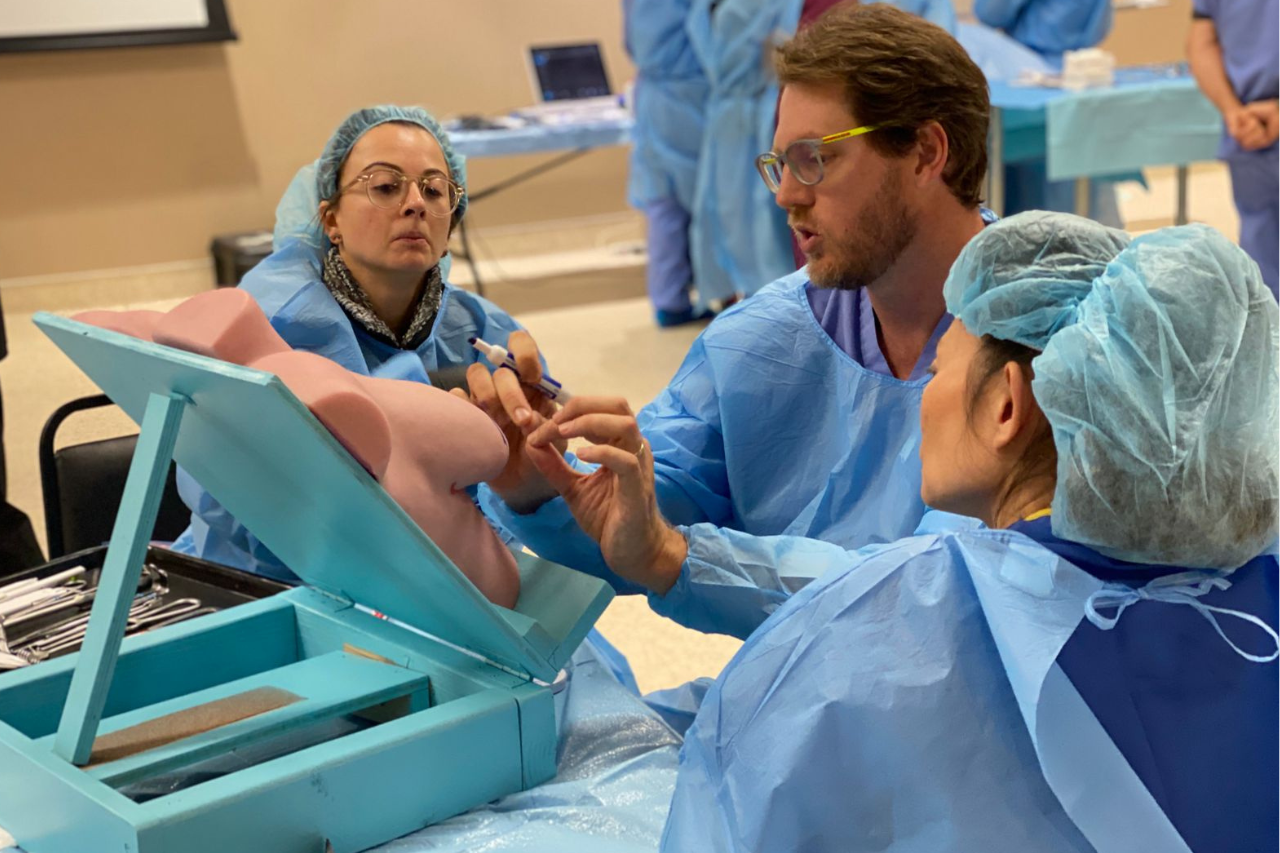
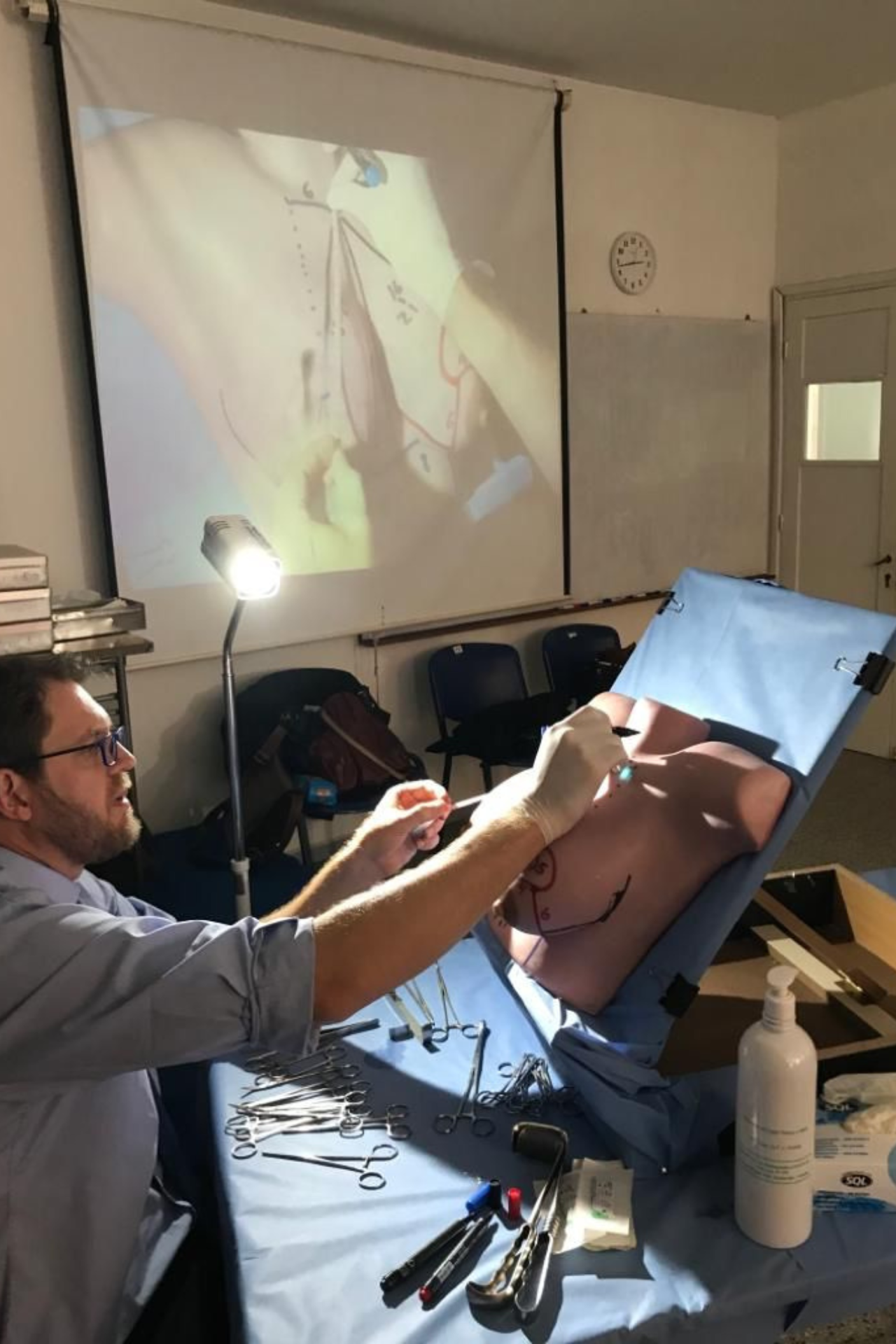
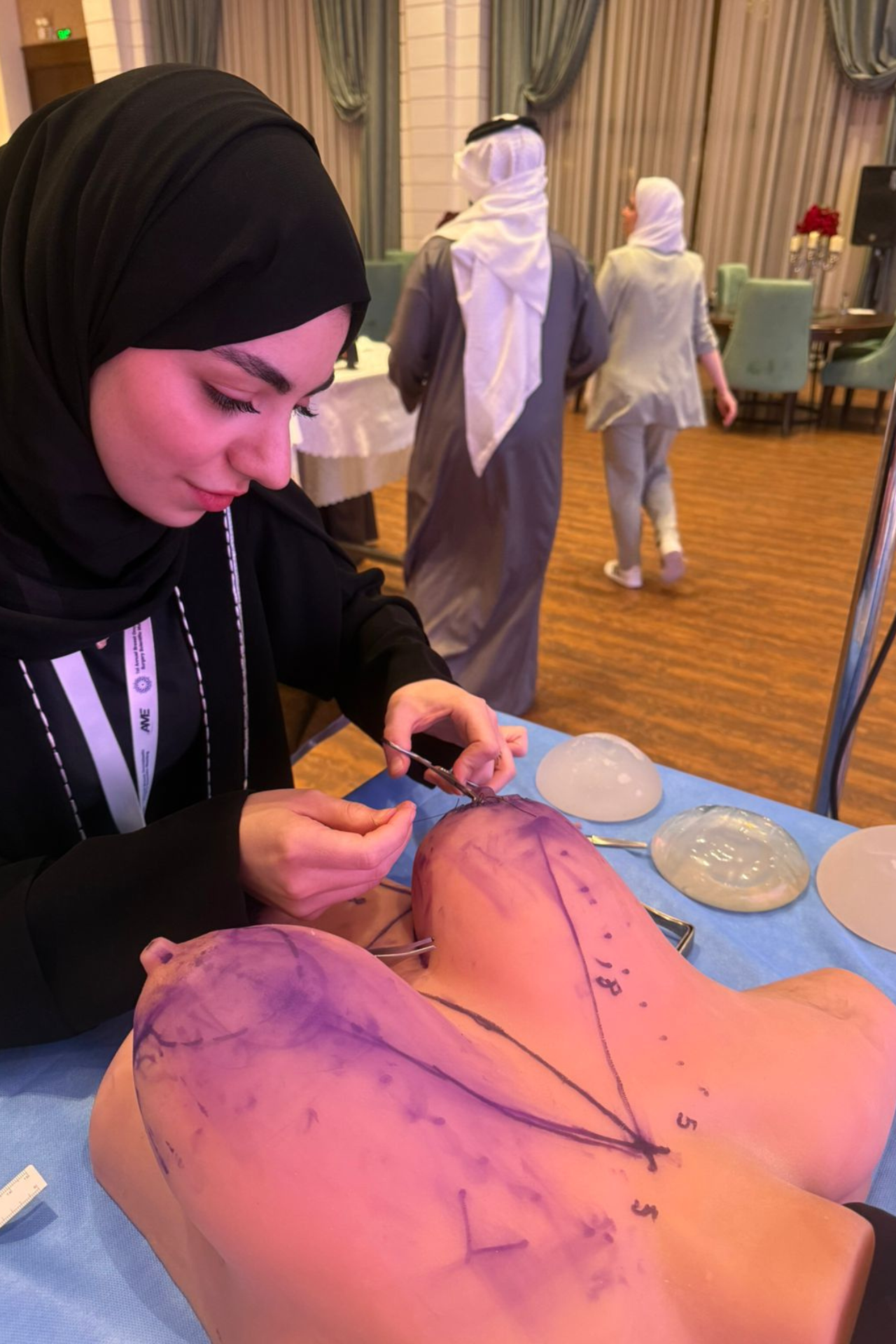
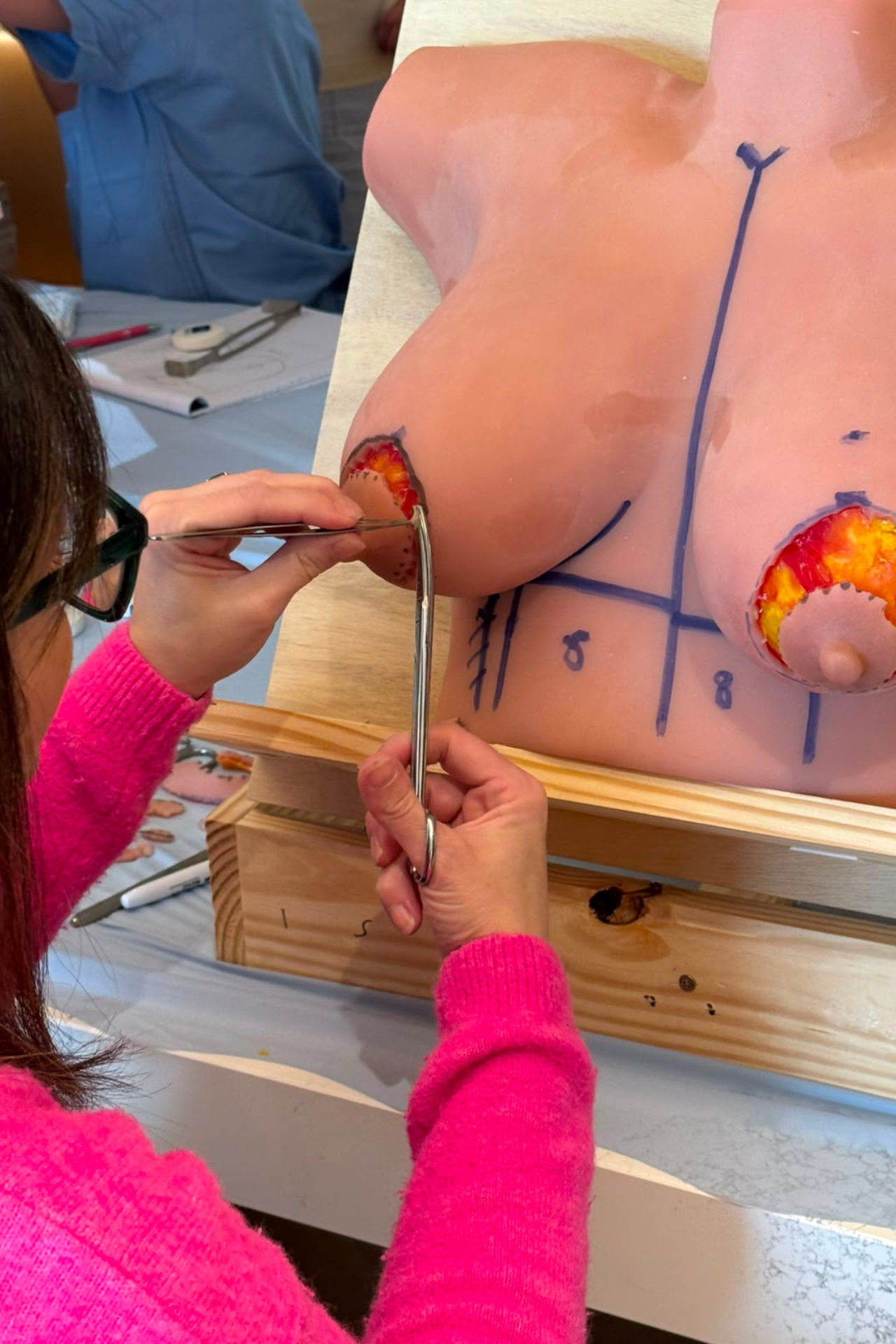
SIMULATION IN ACTION
Simulation Changes the Way Surgeons Learn
Modern surgical education requires more than watching procedures. It demands deliberate practice, structured feedback, and the opportunity to refine techniques before entering the operating room.
Mastotrainer™ was created to bridge the gap between theory and clinical practice, allowing breast surgeons to develop technical confidence, improve decision-making, and master advanced oncoplastic techniques in a realistic simulation environment. Because every hour invested in purposeful practice contributes to safer surgery and better care for future patients.
Procedures Covered
Round Block Mammoplasty
Periareolar technique for tumor excision and breast reshaping with a concealed scar.
Crescent Mastopexy
Targeted tissue repositioning through a crescent-shaped periareolar approach.
Periareolar Techniques
Approaches using incisions around the areola for access, reshaping, and scar optimization.
Therapeutic Mammoplasty
Combines tumor removal with breast reduction and reshaping techniques.
AICAP Flap
Anterior intercostal artery perforator flap used for volume replacement in breast-conserving surgery.
MICAP Flap
Medial intercostal artery perforator flap for reconstruction of selected breast defects.
LICAP Flap
Lateral intercostal artery perforator flap used to restore volume after breast-conserving surgery.
Nipple Reconstruction
Techniques designed to recreate nipple shape and projection following breast reconstruction.